Read a sewing machine needle packet
Understand needle system, type and size before choosing a needle for a sewing project.
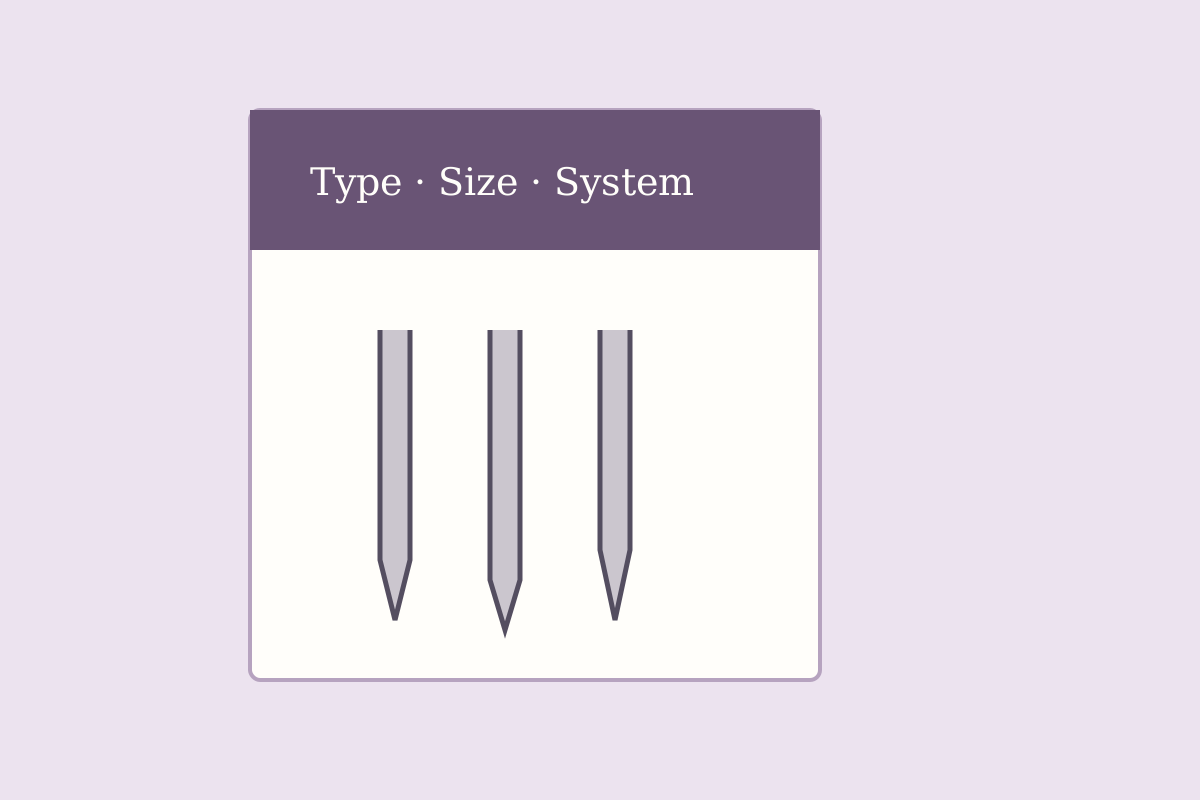
A needle packet can show a name, two size numbers and a code. Those labels answer different questions. Buying by the largest number alone can leave you with the wrong needle for the machine or the cloth.
Match the machine system
Your machine manual names the needle system it accepts. Compare that with the packet before considering the fabric. Do not assume that any needle sold for domestic sewing fits every machine.
Keep the packet after opening it. A loose needle is harder to identify, particularly when several types share the same storage box. Put the active packet beside the machine while setting up a project.
Choose the point for the fabric
SCHMETZ describes its Universal needle as having a slightly rounded point. The manufacturer distinguishes it from Jersey needles for knitted fabrics and Stretch needles intended for elastic materials. The word universal does not remove the need to match the needle to the job.
Needle type, size and system are separate choices. Start with the machine instructions, then the needle maker’s guidance for the fabric. A size recommendation for one material is not a promise that the same setup suits every layer count or thread.
Test the combination
A folded scrap gives you something closer to the real seam than a single loose layer. Use the project fabric and thread, with the same number of layers where possible.
Check both sides of the test stitching for skipped stitches, puckering or damage. If the result is poor, check threading and installation as well as needle choice. Keep a note of the setup that worked so you do not have to identify it from memory next time.